News Release
Safe and sensible roads
Alberta’s government is introducing legislation to improve safety, hold unsafe operators accountable and improve collaboration with municipalities on roads and transit.
If passed, Bill 43, the Safe and Sensible Roads Act 2026, would update the Traffic Safety Act and Urban Rail Transit Act to improve road safety and support better planned transportation infrastructure.
The proposed changes would establish clearer rules for municipal bike lanes, increase penalties for unsafe commercial trucking operators, introduce provincial safety standards for e-scooters, Segways and other personal micromobility devices (PMDs) and improve collaboration on municipal Light Rail Transit (LRT) projects. Together, these measures would improve safety, keep traffic moving and ensure major transportation investments deliver value for taxpayers.
“As Alberta grows and transportation technologies evolve, our laws need to keep pace. These legislative changes implement enhanced accountability measures that will improve safety for Albertans, ensure LRT development provides the highest value for taxpayer dollars and support transportation infrastructure that works for everyone.”
Devin Dreeshen, Minister of Transportation and Economic Corridors
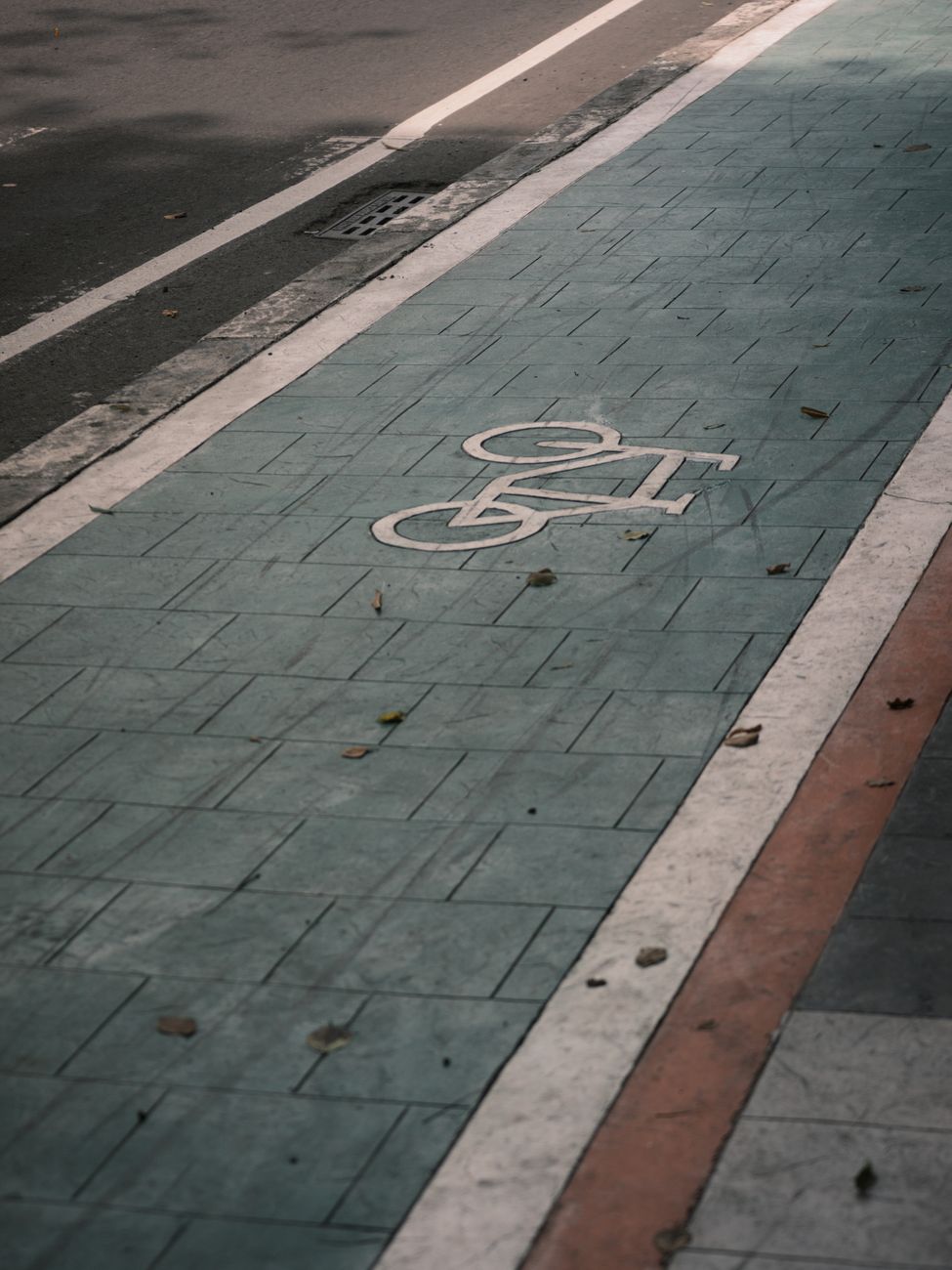
Ensuring safe and well-planned municipal bike lanes
Alberta’s government is committed to working with municipalities to ensure bike lanes are safely planned and fit within the broader transportation network. Proposed changes would establish clear rules for bike lanes that reduce road capacity for motor vehicles and allow for the removal of existing bike lanes that have reduced road capacity for motor vehicles. The changes would help ensure municipalities consider how bike lanes affect traffic flow, commuters, emergency services and the movement of goods. The province looks forward to working with municipal partners to build safe, well-connected transportation networks that serve local communities while keeping Alberta moving.
Cracking down on unsafe trucking operators
Amendments to the Traffic Safety Act are aimed at holding unsafe commercial trucking operators accountable for serious and repeated safety violations. The maximum fine for major commercial vehicle incidents, such as bridge strikes or repeated safety violations, would increase from $10,000 to $50,000. Driver’s licences could also be downgraded to a specific licence class and have conditions added. Changes also focus on increasing transparency and accountability by allowing information about non-compliant regulated individuals and entities to be posted publicly. This could include the names and other identifiers of commercial carriers, drivers, driving schools, examiners and instructors, inspection facilities and technicians, company owners and corporate directors.
Enhancing safety for new transportation options
Changes to the Traffic Safety Act also focus on supporting the safe use of PMDs, which include privately owned and rented e-scooters, Segways, one-wheels and similar electric devices. If passed, the changes would enable Alberta’s government to establish a provincial framework and minimum safety standards for PMDs. Amendments would also enable municipalities to allow both private and rented PMDs in their communities and set local rules that meet or exceed provincial safety standards. Details on the full provincial framework and minimum safety standards would be released in early 2027 and the legislation would come into effect on April 1, 2027.
Planning LRT projects responsibly
As a major funding partner in municipal LRT projects, Alberta’s government is committed to working with municipalities to ensure projects are safe, reliable and deliver value for taxpayers. Amendments to the Urban Rail Transit Act would expand provincial oversight and support better coordination with municipalities on LRT infrastructure, including planning, design, project delivery, asset management and passenger safety-related infrastructure. The changes would ensure municipal LRT development aligns with provincial transportation and economic priorities and Alberta’s Passenger Rail Master Plan, including advancing a high-speed rail connection between downtown Calgary and downtown Edmonton.
If passed this legislation would help Alberta keep pace with growth, improve safety across its transportation network and ensure roads and transit systems work for the people who rely on them every day.
Quick facts
The Traffic Safety Act was last comprehensively reviewed in 2004, when Alberta’s population was under 3.2 million. As of July, Alberta’s population was 5.1 million.
As of March, Alberta had 3.7 million licensed drivers, a 60 per cent increase from 2004, and 3.9 million registered vehicles, a 65 per cent increase from 2004.
Calgary Transit’s ridership reached more than 101 million in 2024, a 12 per cent increase from 2023. Edmonton Transit Services’ ridership reached 62 million in 2024, a 15 per cent increase from 2023 and a 12 per cent increase from 2019.
Alberta government introducing legislation to improve safety, hold unsafe operators accountable and improve collaboration with municipalities on roads and transit